
.avif)
Ross-Chillicothe Visitors Bureau
I gave a very satisfied rating because of the exceptional service that I was provided from the initial meeting with Clay Carlson, through the project development with Lisa Wickland and Juan Rodriguez. They were able to take my vision of what I was looking for and make it a reality for our organization to use. The discussions during the work sessions were productive and resulted in clear action items for all participants, the follow up emails and Slack messages were quickly answered, and Juan exceeded expectations in not only developing the app but responding to the requests made outside of the work sessions. It was a great experience, the app that was delivered was exactly what I was looking for, and I hope I have the opportunity to work with Optimize IS again in the future. I would definitely provide referrals to others who are looking for a unique app to solve their needs.
I gave a very satisfied rating because of the exceptional service that I was provided from the initial meeting with Clay Carlson, through the project development with Lisa Wickland and Juan Rodriguez. They were able to take my vision of what I was looking for and make it a reality for our organization to use. The discussions during the work sessions were productive and resulted in clear action items for all participants, the follow up emails and Slack messages were quickly answered, and Juan exceeded expectations in not only developing the app but responding to the requests made outside of the work sessions. It was a great experience, the app that was delivered was exactly what I was looking for, and I hope I have the opportunity to work with Optimize IS again in the future. I would definitely provide referrals to others who are looking for a unique app to solve their needs.


Gene Betts
kellybrask.com
I am a Certified Professional Organizer® and help clients organize their homes, offices and workflows, so I both appreciate and am familiar with the concepts of automation and efficiency. I've been using Airtable more and more, both for work and household management, and wanted to automate some data but had no idea how. After spending hours watching videos and reading how-to discussions, I doubted this could be done. Before giving up I sought help from Ben of Optimize, and within a few minutes he had identified a way to pull the necessary data out of a long text and import it to three fields. He even helped tweak the formatting. Thank you Ben, for making your expertise available!
I am a Certified Professional Organizer® and help clients organize their homes, offices and workflows, so I both appreciate and am familiar with the concepts of automation and efficiency. I've been using Airtable more and more, both for work and household management, and wanted to automate some data but had no idea how. After spending hours watching videos and reading how-to discussions, I doubted this could be done. Before giving up I sought help from Ben of Optimize, and within a few minutes he had identified a way to pull the necessary data out of a long text and import it to three fields. He even helped tweak the formatting. Thank you Ben, for making your expertise available!
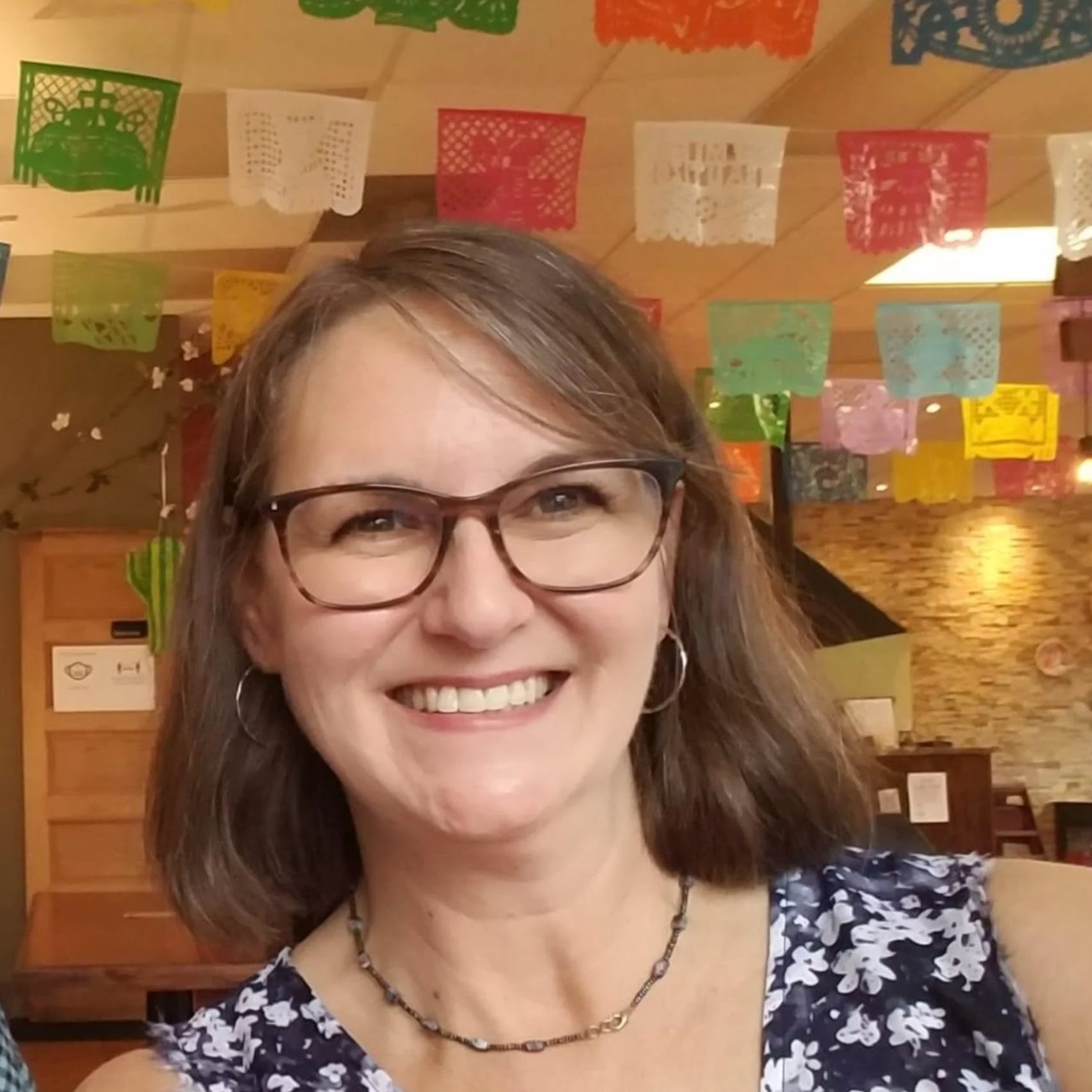
Kelly Brask
White Pickett Fence
When I first inquired with Ben I had a good understanding of airtable and it's functions. However after my first meeting I realized that Ben was so much more than just an airtable guy. He brought value to every conversation and opened my eyes to even more functions I was missing out on, even after countless hours of watching tutorials and readying blogs. The value Ben brings to my small business immeasurable. I'm so thankful our worlds crossed paths and that I've had the opportunity to work with Ben over the last few years. My business wouldn't look the same without him.
When I first inquired with Ben I had a good understanding of airtable and it's functions. However after my first meeting I realized that Ben was so much more than just an airtable guy. He brought value to every conversation and opened my eyes to even more functions I was missing out on, even after countless hours of watching tutorials and readying blogs. The value Ben brings to my small business immeasurable. I'm so thankful our worlds crossed paths and that I've had the opportunity to work with Ben over the last few years. My business wouldn't look the same without him.
.png)
.svg)
.png)
.png)
